Airliners, family by family
Once you know the four checks on the identification page, the next step is telling variants apart within a family — which is mostly wingtips, nacelles, fuselage length and how many wheels are on each main gear leg.
Boeing 737 — four generations in one silhouette
Every 737 has the flat-bottomed nacelle, so the generation is the interesting question.
- Original (-100/-200) — long, slim, cigar-shaped nacelles slung close under the wing. Almost gone from passenger service.
- Classic (-300/-400/-500) — the flattened CFM56 nacelle appears here; no factory winglets, though many were retrofitted with blended ones.
- Next Generation (-600 to -900) — bigger wing, taller fin, blended winglets. Early builds still had the "eyebrow" windows above the windscreen.
- MAX (7/8/9/10) — split-tip winglets that point up and down, a larger LEAP nacelle with a serrated trailing edge, and on the MAX 10 a telescoping nose gear.
The rest of the Boeing line
- 757 — a narrowbody that looks stretched and over-engined, sitting high on long main gear. A pointed nose and a widebody-style flight deck. Most survivors are freighters now.
- 767 — the semi-widebody: one aisle short of a 777, 2-3-2 in the cabin, and the backbone of express air cargo as the 767-300F.
- 777 — very large twin with no winglets, raked tips on the -200LR/-300ER/F, and six wheels per main gear leg, which nothing else in service has. The 777-9 adds folding wingtips.
- 787 — raked tips with no winglet, chevron (sawtooth) nacelle trailing edges, and a wing that visibly flexes upward in the climb.
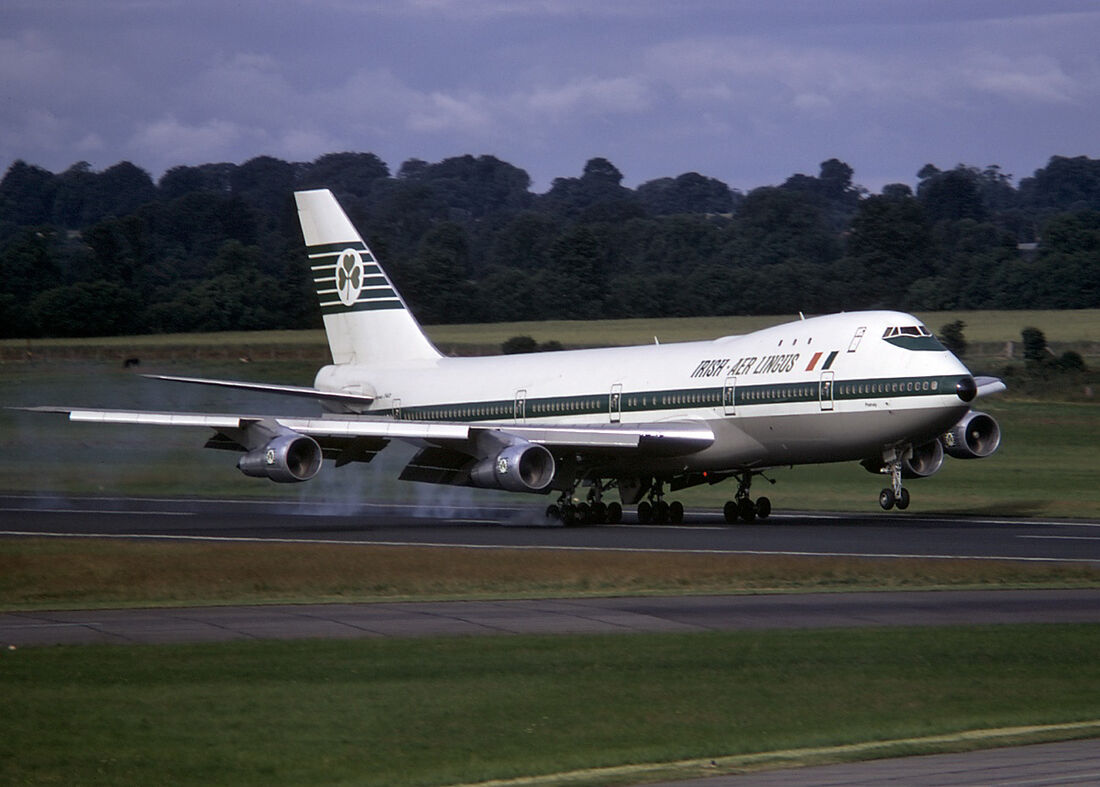
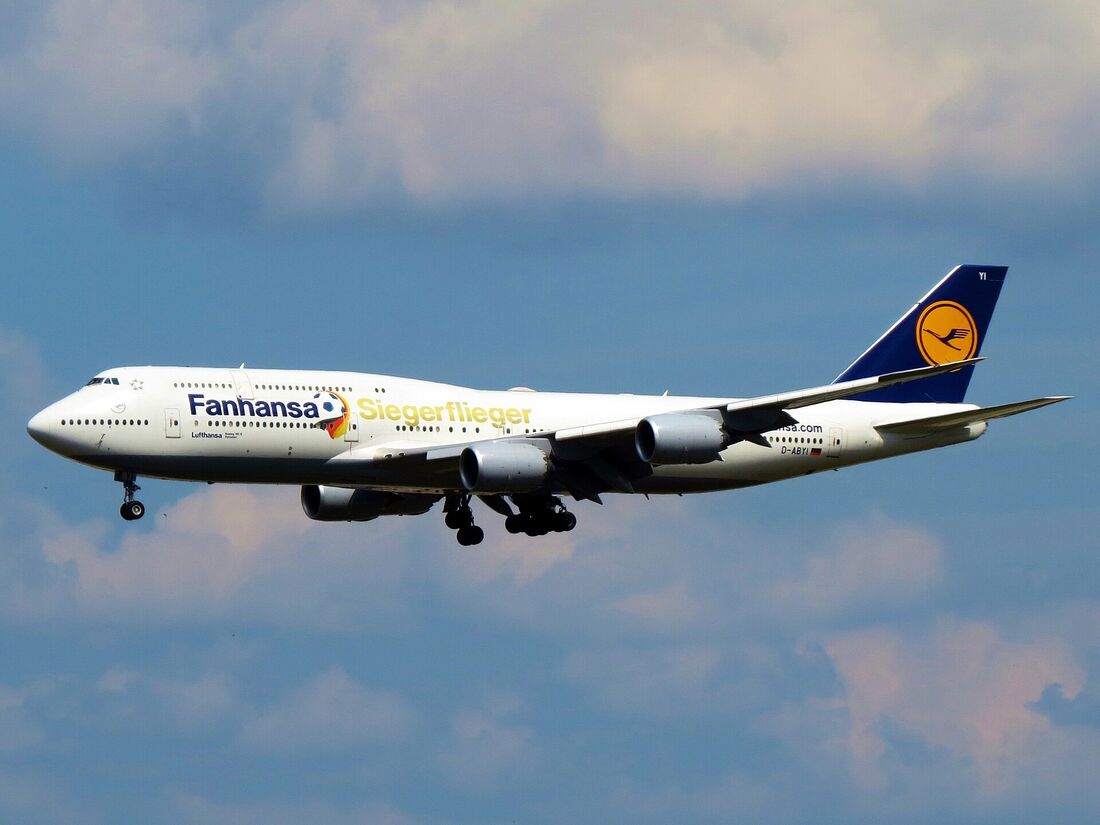
- 747 — four engines and the upper-deck hump. A short hump means an early -100/-200 or the stubby SP; the stretched hump is a -300, -400 or -8. The -400 has upright winglets, the 747-8 has raked tips and new nacelles. Freighters carry a hinged nose loading door, which is the easiest 747F tell of all.
- MD-80/MD-90/717 and DC-10/MD-11 — the leftovers of the T-tail era. Rear fuselage engines and a T-tail for the MD-80 family; a third engine buried in the fin for the DC-10 and MD-11, the MD-11 being the one with winglets.

.jpg)
Airbus
- A220 — formerly the Bombardier CSeries. Five abreast, a sharply pointed nose, and a geared turbofan whose fan is huge for the size of the aircraft.
- A320 family — round nacelle. Older aircraft have small wingtip fences or nothing; sharklets mark a late-build ceo or any neo. A318 through A321 differ in length and door count, and the A321XLR is the long-range one.
- A330 — same fuselage cross-section as the A340 with two engines. The ceo has a plain upright winglet, the neo a curved sharklet. Four wheels per main leg.
- A340 — an A330 with four engines, which is the whole identification. The -600 is extremely long for its wing.
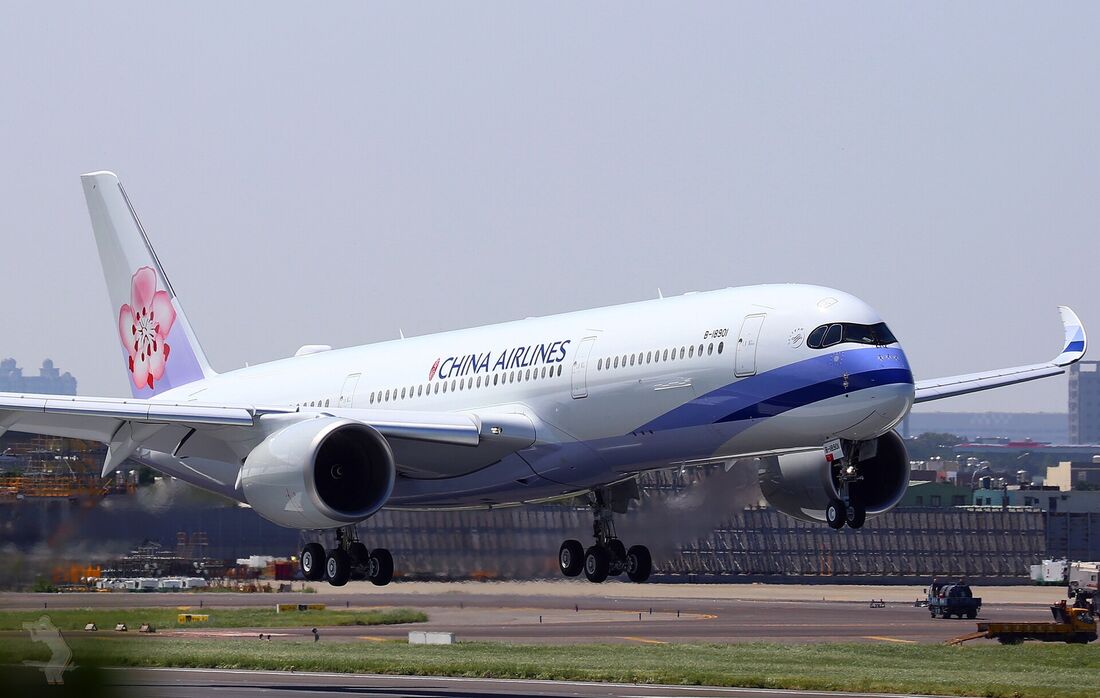
- A350 — the dark "mask" painted around the flight-deck windows and a curved, upswept wingtip. The -1000 is longer, has an extra door pair and moves to six-wheel main bogies.
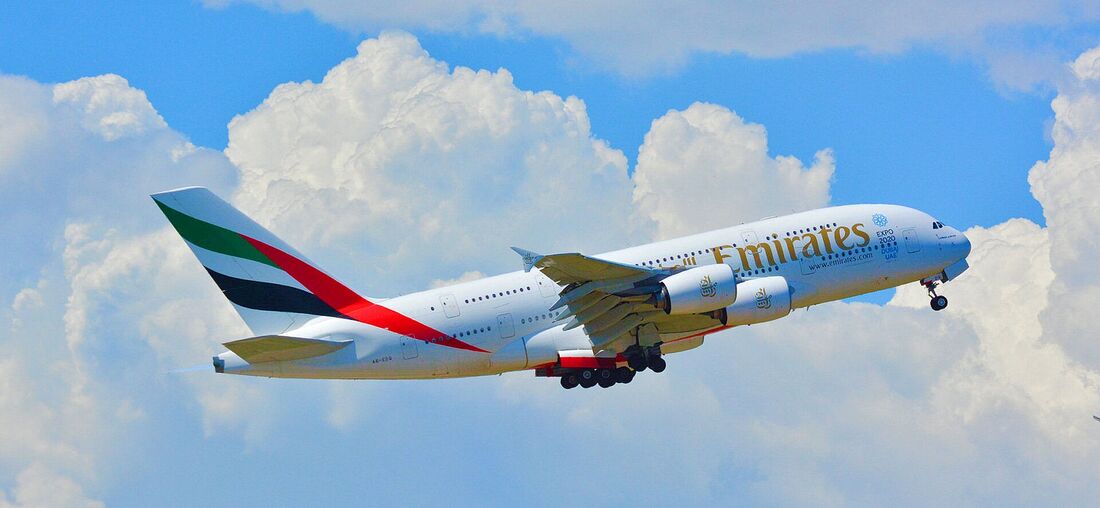
- A380 — a full-length double deck. There is nothing to confuse it with.
.jpg)
.jpg)
Regional jets and turboprops
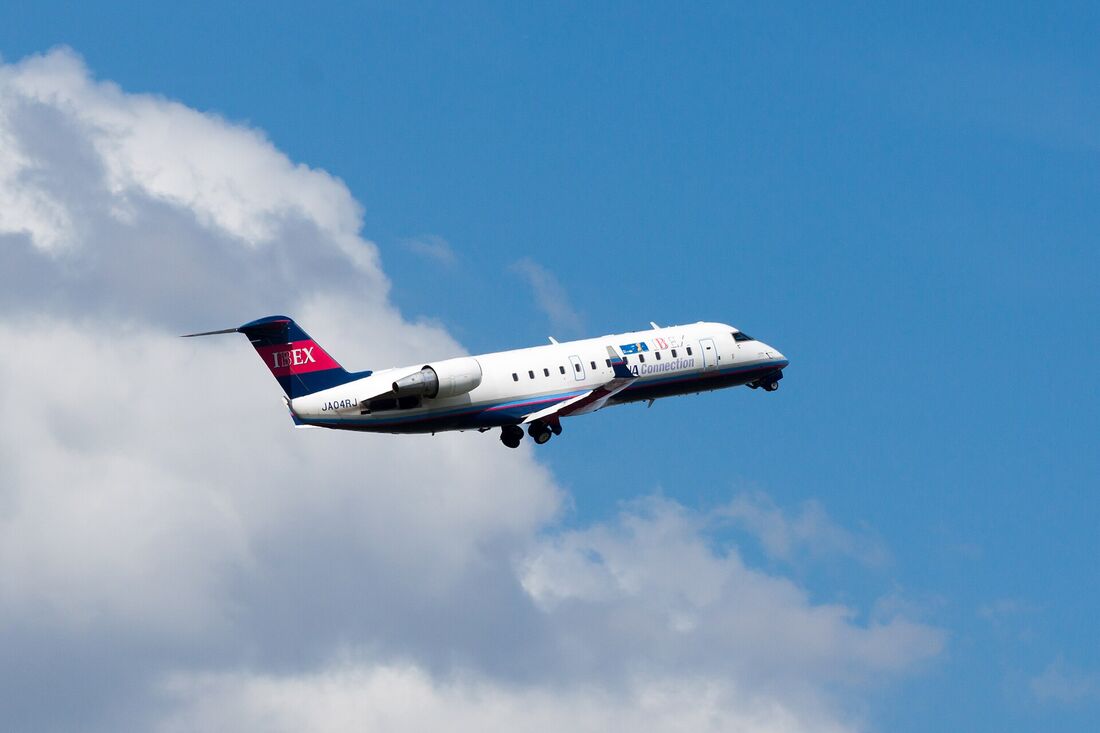
Two rear-engined T-tails dominate, and cabin width separates them: an Embraer ERJ 135/140/145 seats three abreast (1+2) and is the narrowest airliner flying, while a CRJ seats four (2+2) — unsurprisingly, since it was stretched out of the Challenger business jet. The larger Embraer E-Jets (E170/175/190/195 and the E2 generation) moved the engines back under the wing and use a conventional tail, so they read as a small airliner rather than a big bizjet.
.jpg)
For the turboprops, look at where the main gear goes: an ATR 42/72 retracts it into a fuselage fairing, a Dash 8 / Q400 into the engine nacelles. Six-blade props mark an ATR -600 or a Q400; four blades mean an older Dash 8-100/-300.
Freighters
Dedicated freighters are often the most interesting thing on a quiet airfield, and they are usually the previous generation earning a second living: 767-300F and 777F on the express networks, 747-400F and -8F on the heavy and outsize routes, A330-200F, and converted 737-800s. A main-deck cargo door on the forward left fuselage, blanked cabin windows, or a nose door on a 747 all say freighter before you can read the titles.
Photographs and references
For photographs of the real thing, Wikimedia Commons' airliners category is freely licensed and very large, and planespotters.net pairs its photos with each individual airframe's build date, operator history and fate. JetPhotos is the largest screened archive of the lot; it belongs to Flightradar24, which is why its photographs turn up on flight pages there, and Airliners.net has been collecting them since the 1990s, so it is the place to look for types that stopped flying before digital cameras were common.