Light aircraft — what's on the general aviation ramp
Start with wing position and material. High wing with a strut is one world, low wing is another, and a smooth composite shell with no rivet lines is a third and much more recent one. After that it's tails and gear.
The training fleet
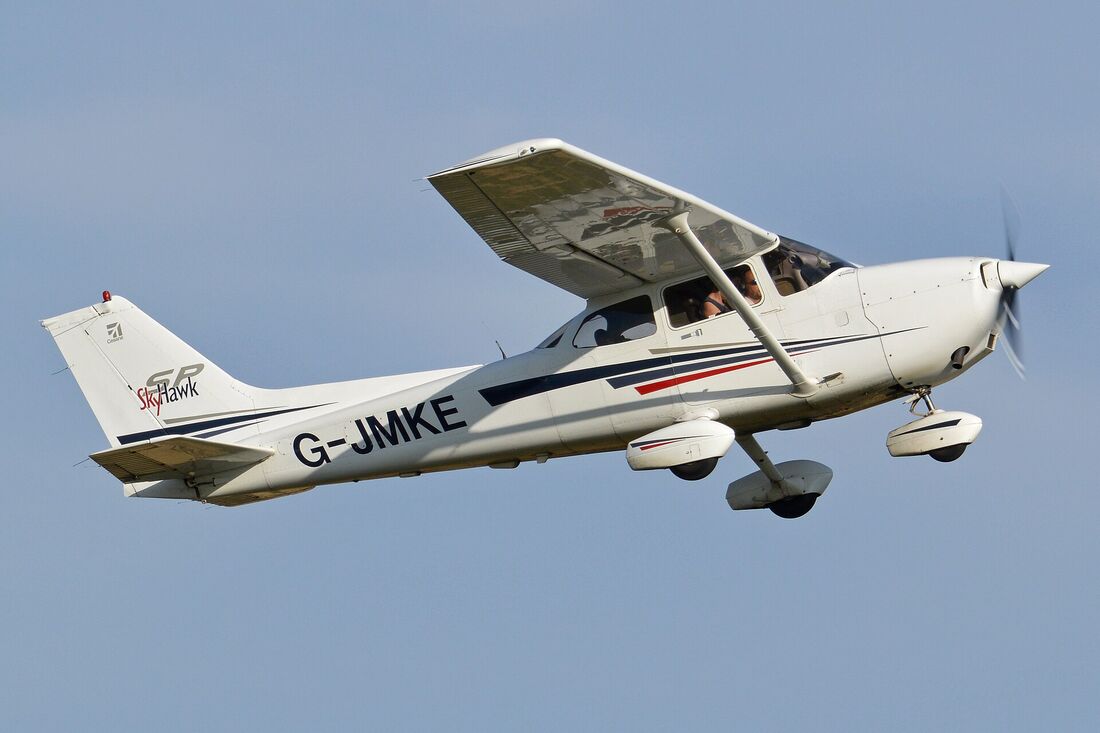
- Cessna 152 / 172 Skyhawk / 182 Skylane — high wing braced by a strut. The 172 is the most-produced aircraft in history, which is why it is the default answer to "what was that little plane". A 182 is the same shape with a bigger engine, a constant-speed prop and a deeper cowl.
- Piper PA-28 (Cherokee, Warrior, Archer, Arrow) — low wing. The early constant-chord "Hershey bar" wing versus the later tapered wing dates the airframe at a glance; an Arrow retracts its gear.
- Diamond DA20 / DA40 — composite, low wing, long and thin, T-tail, big bubble canopy. Many DA40s burn Jet-A through a diesel engine, and sound completely unlike an Avgas single.
- Piper Super Cub, Aviat Husky, CubCrafters — fabric, high wing, tailwheel. The bush and glider-towing end of the ramp.
.jpg)
Fast singles
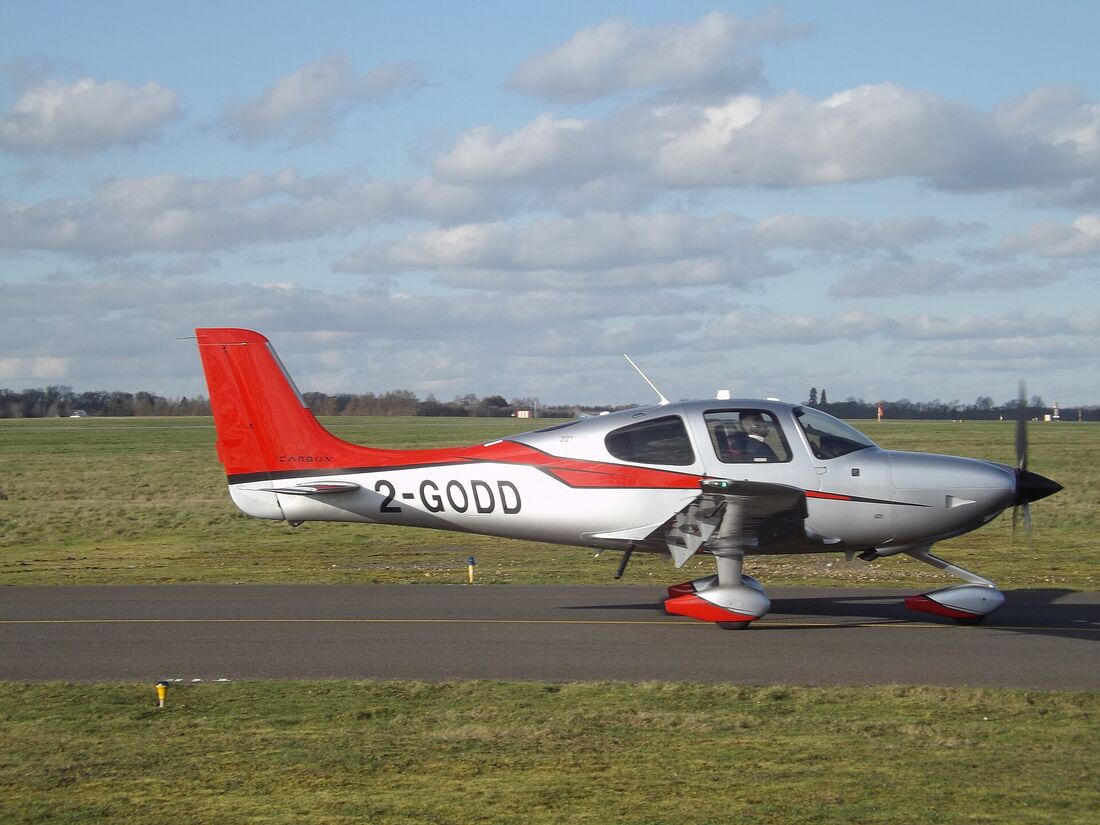
- Cirrus SR20 / SR22 / SR22T — composite low wing, swept fin, a side-yoke instead of a control column, fixed gear despite the speed, and a whole-airframe parachute with its placards on the upper fuselage. The best-selling piston single for two decades. If you want the type in more depth, cirrus-training.com covers the airframe, the parachute system and the avionics generations.
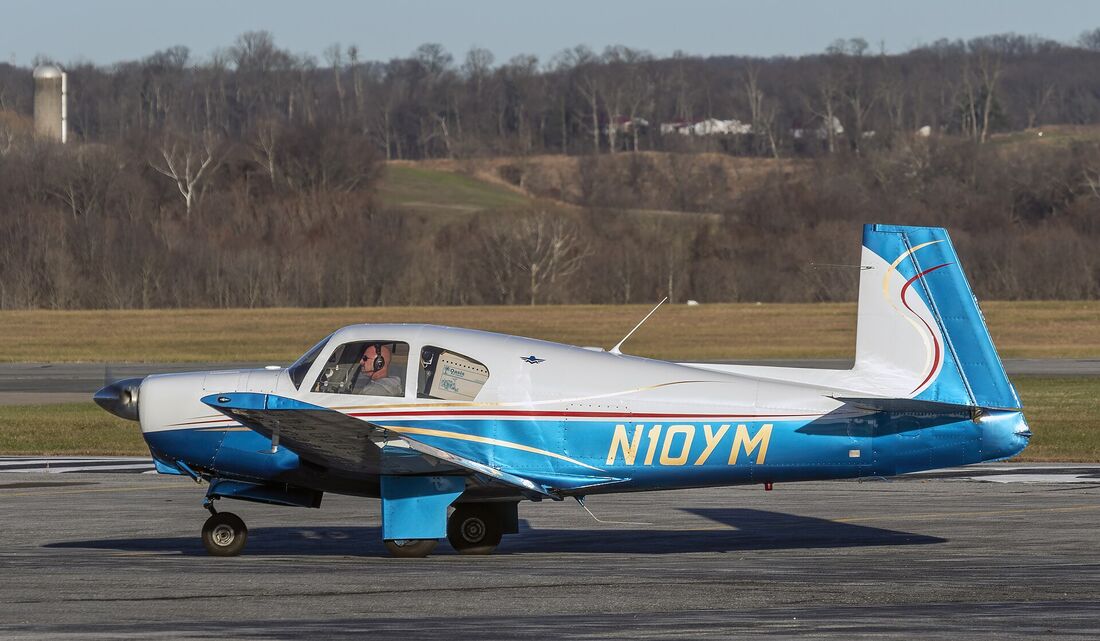
- Mooney M20 — the forward-swept vertical fin is unmistakable and no other production type has it. Retractable, narrow and very efficient.
- Beechcraft Bonanza — the V-tail Model 35 is the single most recognisable silhouette in general aviation; the 33 and 36 are the same aircraft with a conventional tail.
- Lancair — kit-built composite, astonishingly fast for the power, and known for approach speeds that demand real currency. The Evolution is the turboprop member of the family.
- Van's RV-4 to RV-14 — the most-built kit family in the world. Low wing, bubble canopy, tailwheel or nosewheel depending on the model, and usually a paint scheme its builder chose personally.
.jpg)

Piston twins
Diamond DA42 Twin Star and DA62 are the modern ones: composite, diesel, T-tailed, with long thin wings and a fuel burn that made them the default new training and survey twin. The older fleet is Piper PA-44 Seminole, Beechcraft Baron 58 and Cessna 310/340 — aluminium, Avgas, and much louder.
Light sport, ultralight and microlight
- Pipistrel — Slovenian; the Virus SW and Sinus are the familiar ones, and the Velis Electro was the first electric aircraft to receive a full type certificate.
- Tecnam — P2008 and P2010 singles, plus the P2006T, a genuinely very light twin.
- Aerospool Dynamic WT9 — Slovak composite, slim, fast, and common across European clubs.
- JMB VL-3 — a retractable ultralight and one of the fastest things in the category.
- Icon A5 — amphibious, with folding wings and sponson "seawings". Impossible to mistake for anything else.
- BRM Aero Bristell, Blackshape, Shark Aero, Flight Design CT — the rest of the modern composite LSA field.
Read the category, not just the shape
Two identical-looking aircraft can sit in completely different regulatory boxes. Type-certified aircraft are built to an approved design; amateur-built experimentals carry a placard inside the cabin door saying so; light-sport and ultralight categories are defined by weight and speed limits that differ between countries — a 600 kg European ultralight and a US light-sport aircraft are often the same airframe with different paperwork. The FAA's MOSAIC rulemaking has changed the US boundaries, so check the current rule text rather than an older summary. The FAA publishes the sport pilot rules directly.
Photographs and references
For photographs of the real thing, Wikimedia Commons' general aviation aircraft category is freely licensed and very large, and planespotters.net pairs its photos with each individual airframe's build date, operator history and fate. For the light-sport and ultralight end, the manufacturers themselves — Pipistrel, Tecnam, Aerospool, JMB — publish better photographs of their own current models than the spotting databases do, because these types rarely visit the big airports the databases are built around.